 Skip to content

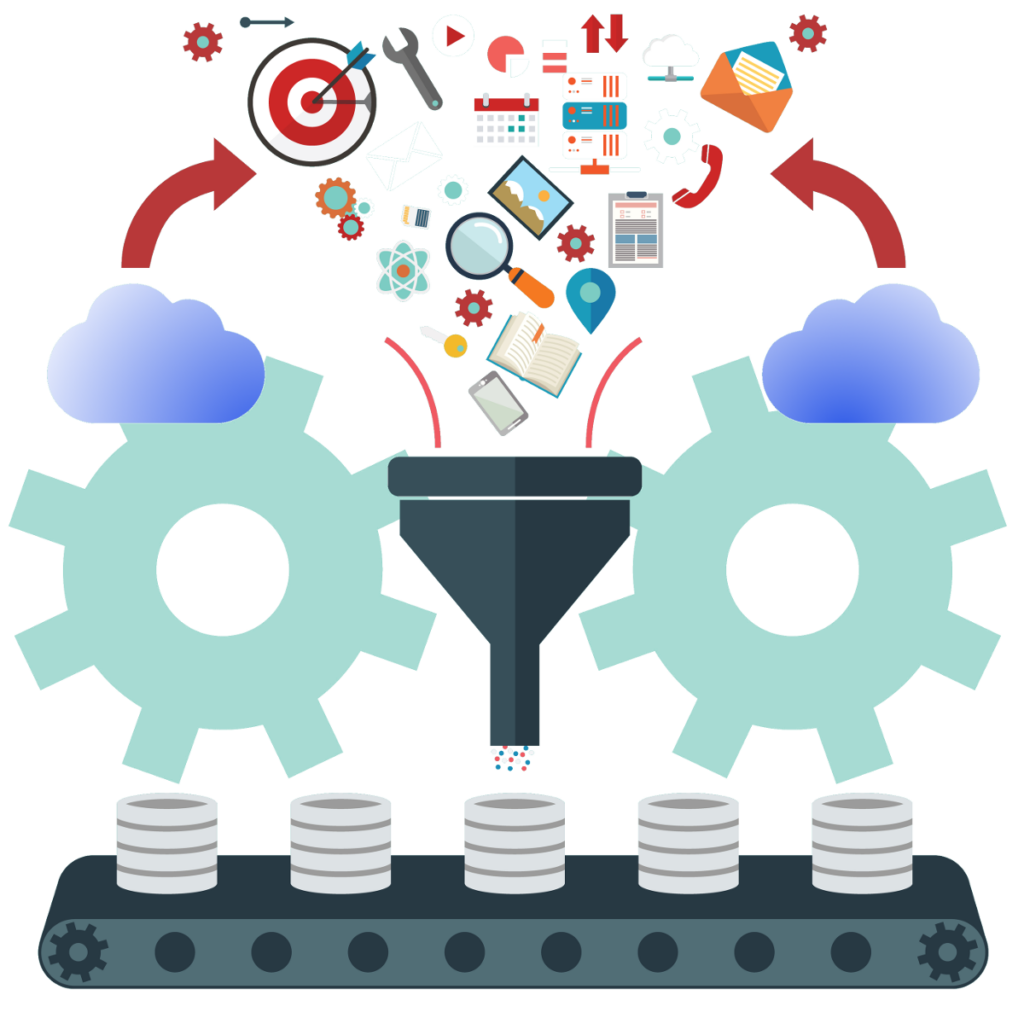
As we reach the midpoint of the year, a critical operational mandate comes into focus: efficiency. For data-intensive organizations, efficiency now means moving beyond periodic batch reporting to instantaneous insight and action. The convergence of Edge AI and modern streaming data architectures is unlocking this capability, transforming how governments and corporations process information, make decisions, and automate responses at unprecedented scale and speed.
This technological shift addresses a fundamental limitation of centralized cloud analytics: latency. Transmitting petabytes of IoT sensor data, video feeds, or transaction logs to a distant data center for analysis creates an insurmountable delay. The new paradigm distributes intelligence, placing processing power where data is born—at the edge—and connecting these nodes with high-velocity streaming pipelines for unified governance and deeper analysis. This is not an incremental upgrade; it is a strategic re-architecture for the real-time era.
The Architectural Shift: From Centralized Warehouse to Distributed Intelligence
Traditional analytics, built on batch-processing data warehouses, operates on a “store then analyze” model. For an increasing number of mission-critical workloads—from fraud detection to public safety monitoring—this delay is unacceptable.
The modern real-time stack is built on two synergistic pillars:
- Edge AI: Intelligence at the Source
- What it is: Deploying optimized machine learning models directly on devices (sensors, cameras, gateways, vehicles) or local edge servers to process data locally.
- The Efficiency Gain: It acts as a high-efficiency filter. Instead of streaming 1,000 hours of raw security footage to the cloud, an edge AI model analyzes it locally, transmitting only 10 minutes of clips containing “anomalous activity” or a specific license plate. This reduces bandwidth costs by over 99% and enables sub-second response.
- Streaming Data Platforms: The Nervous System
- What it is: Technologies like Apache Kafka, Apache Flink, and AWS Kinesis that provide a durable, scalable bus for continuous, real-time data flows.
- The Efficiency Gain: They create a unified, real-time data fabric. Processed insights from the edge, along with transactional data from core systems, flow continuously. This allows a central “situation room” dashboard or a cloud AI model to correlate disparate events as they happen, providing a cohesive, up-to-the-millisecond view.
High-Impact Use Cases for Mid-Year Implementation
The combined edge-plus-streaming architecture delivers concrete efficiency and efficacy gains across sectors.
| Sector | Use Case | Edge AI Action | Streaming Platform Role | Efficiency Outcome |
| Public Sector / Smart Cities | Intelligent Traffic & Public Safety | Cameras locally analyze traffic flow, detect accidents, or recognize wanted vehicles. | Streams alerts and aggregate counts to a central traffic management system in real time. | Reduces congestion (optimizing light timing live), accelerates emergency response, improves citizen safety. |
| Financial Services | Fraud Detection & Risk Compliance | POS systems or banking apps locally evaluate transaction risk based on user behavior & location. | Streams high-risk transaction flags to a central engine that correlates them with account activity and global fraud patterns. | Prevents fraud before completion, minimizes false positives, ensures real-time regulatory reporting. |
| Manufacturing & Energy | Predictive Maintenance & Grid Management | Sensors on turbines or assembly-line robots locally analyze vibration/thermal patterns for anomalies. | Streams health scores and failure predictions to a maintenance dashboard and parts inventory system. | Prevents catastrophic downtime, optimizes maintenance schedules, balances energy load in real time. |
| Retail & Logistics | Automated Inventory & Supply Chain Visibility | Smart cameras in warehouses count inventory; RFID readers on docks identify shipments. | Streams stock levels and shipment locations to inventory management & logistics tracking systems. | Enables perfect real-time inventory, automates reordering, provides end-to-end shipment visibility to customers. |
Building a Scalable Real-Time Infrastructure: A Four-Phase Framework
Transitioning to this architecture requires careful planning. Here is a practical framework for a mid-year initiative.
Phase 1: Identify the “Right” Pilot Workload
Not all processes need real-time analysis. Prioritize pilots where:
- Latency is Critical: Outcomes degrade with a delay of seconds or minutes (e.g., mechanical failure, fraud).
- Data Volume is Massive: The cost or infeasibility of transmitting raw data is prohibitive (e.g., video, high-frequency sensor data).
- Action is Automated: The insight can trigger a pre-defined, automated response (e.g., shutting down a machine, flagging a transaction).
Phase 2: Architect the Hybrid Stack
Design with integration in mind from the start.
- Edge Layer: Select hardware (from constrained devices to edge servers) with the compute (GPU/CPU) to run optimized models. Use frameworks like TensorFlow Lite or ONNX Runtime for model deployment.
- Streaming Layer: Deploy a resilient Kafka cluster or managed service as the central nervous system. Define clear data schemas for events flowing from edge to cloud.
- Cloud/Central Layer: Implement real-time databases (e.g., Apache Pinot, ClickHouse) for serving live dashboards and stateful stream processors (e.g., Apache Flink) for complex event correlation.
Phase 3: Implement with Operational Rigor
- Model Lifecycle at the Edge: Establish an Edge MLOps practice to remotely monitor, update, and roll back AI models on thousands of distributed devices without physical touch.
- Governance of Streams: Apply data quality checks, schema validation, and access control to data streams as rigorously as you would in a data warehouse.
- Observability: Monitor the entire pipeline—edge device health, stream latency, processing lag—from a single pane of glass.
Phase 4: Scale and Evolve
Use the pilot to create a blueprint. Develop standard patterns for edge deployment, stream integration, and security. The goal is to create a reusable platform that can accelerate the rollout of subsequent real-time use cases across the organization.
Conclusion: Efficiency Redefined as Real-Time Competence
For modern organizations, operational efficiency is increasingly synonymous with temporal efficiency—the reduction of decision latency to zero. The strategic integration of Edge AI and streaming data platforms is the technical foundation for this capability.
This mid-year period is the ideal time to move from exploration to execution. By starting with a well-scoped pilot, organizations can demystify the architecture, prove its tangible ROI, and build the internal competency needed to process data at the speed of their operations. In doing so, they transform from organizations that analyze their past to those that orchestrate their present.
Ready to architect a real-time data strategy that delivers efficiency at scale? Smart Data Institute helps government and corporate clients design and implement the next-generation data infrastructure—from edge to cloud—required to act on information instantly. Contact our real-time analytics specialists to begin your assessment.
Keywords: Real-Time Data Processing, Edge AI, Streaming Analytics, Apache Kafka, Real-Time Analytics, IoT Analytics, Data Architecture, Smart Cities, Predictive Maintenance, Operational Efficiency, Smart Data Institute.
